Why Slowing Down Is the Smartest Thing You Can Do
Dec 09, 2025
Recently, one of my very close friends got married.
Instead of a traditional wedding, she planned a boho, Halloween-themed camping weekend.
If you know me at all, you’ll understand my first reaction:
Absolutely not.
I love my friend. Truly. But camping? With mostly strangers? For an entire weekend?
I already live in the country. Nature isn’t exactly scarce in my life, and my comfort zone was loudly protesting.
But because I love my friend… I went.
What I didn’t expect was that it would turn into one of the most grounding, joyful, and mentally restorative experiences I’ve had in years.
Discomfort, Growth, and a Surprising Reset
This experience was a perfect reminder of something we often forget: growth almost always lives on the other side of discomfort.
Once I got past my initial resistance, I found myself in a space that felt almost… ancient. In the best way.
There were about 20–30 people who came and went throughout the weekend and most of us were in our 30s to 50s.
Here's the thing I loved the most: No one was glued to their phone.
Instead, we sat outside. We talked. We shared stories. We drank beverages in the sunshine, gathered around bonfires at night, and genuinely connected. For three full days.
It was simple and it was profound.
Why Your Brain Craves Tribal Connection
As humans, we’re not wired for constant stimulation, notifications, and endless scrolling. We’re wired for face-to-face connection, shared stories, rhythm, and community.
Being in that environment again made it painfully obvious how much we’ve drifted from our natural state.
Around this same time, I came across a post by Jim Kwik, a well-known expert in memory and cognitive performance. The headline caught my attention:
“Two weeks without internet reversed 10 years of brain aging.”
According to the post (referencing a study published in PNAS Nexus), participants who removed mobile internet access for just two weeks—no apps, no social media, no browsing—showed measurable improvements in focus and cognitive performance. Calls and texts were still allowed. No major lifestyle overhauls. Just less digital noise.
Whether or not the claim lands exactly where the headline suggests, the takeaway is clear: our brains are overwhelmed, and reducing stimulation matters more than we realize.
Nature: The Original Nervous System Regulator
One reason that camping weekend felt so soothing is because nature doesn’t assault the nervous system the way modern environments do.
Nature works in soft focus. There’s no single stimulus screaming for your attention.
Instead, your senses take in multiple inputs—light, sound, movement—without becoming scattered or overloaded. This allows your nervous system to calm down instead of being on constant alert.
In Japan, this concept is beautifully captured in the practice of forest bathing. The sights, scents, sounds, and even chemical compounds released by trees help calm the nervous system.
And here’s a fascinating evolutionary detail:
Birdsong signals safety to your survival brain.
For our ancestors, birds singing meant no predators were nearby. Silence meant danger.
So, if you feel anxious in quiet environments, try this simple regulation tool: play gentle birdsong or nature sounds.
It gives your brain a subconscious cue that you’re safe, making it easier to regulate your breath and calm your thoughts.
Doing Hard Things on Purpose (and Why Your Brain Likes It)
If you’re like me and camping sounds… less than luxurious, here’s the surprising part:
Doing uncomfortable things on purpose, in the name of growth, actually gives your brain a dopamine hit.
There’s a big difference between discomfort that feels unsafe and discomfort chosen intentionally. One shrinks you. The other expands you.
Being brave, tying something new, and stepping outside your routine are experiences that create pleasure and confidence. It also proves to your survival brain that you not only survived but grew.
A Few Tips for Slowing Down
If you’ve been feeling overstimulated… disconnected… scattered… or like your social ease just isn’t what it used to be, this might be your sign to slow down.
That doesn’t have to mean a three-day camping trip (unless you’re feeling adventurous). It could look like:
-
Taking lunch outside
-
Going for a walk without headphones
-
Spending an evening with friends—phones down
-
Sitting by a fire
-
Being in nature without trying to “optimize” the experience
Let your brain and nervous system remember what safety feels like.
Need Some Help Slowing Down?
Genuine human connection is deeply healing—to the mind, the body, and the spirit.
When we step away from screens, novelty dopamine, and constant stimulation, we give ourselves the chance to recalibrate to the way we were always meant to live.
If you’re curious about neuroscience-based tools (with a little splash of woo) to help bring more balance, peace, and safety into your life, you’re always welcome to schedule a free consultation with me HERE.
Until next time, my friends—get outside, look up, and reconnect.
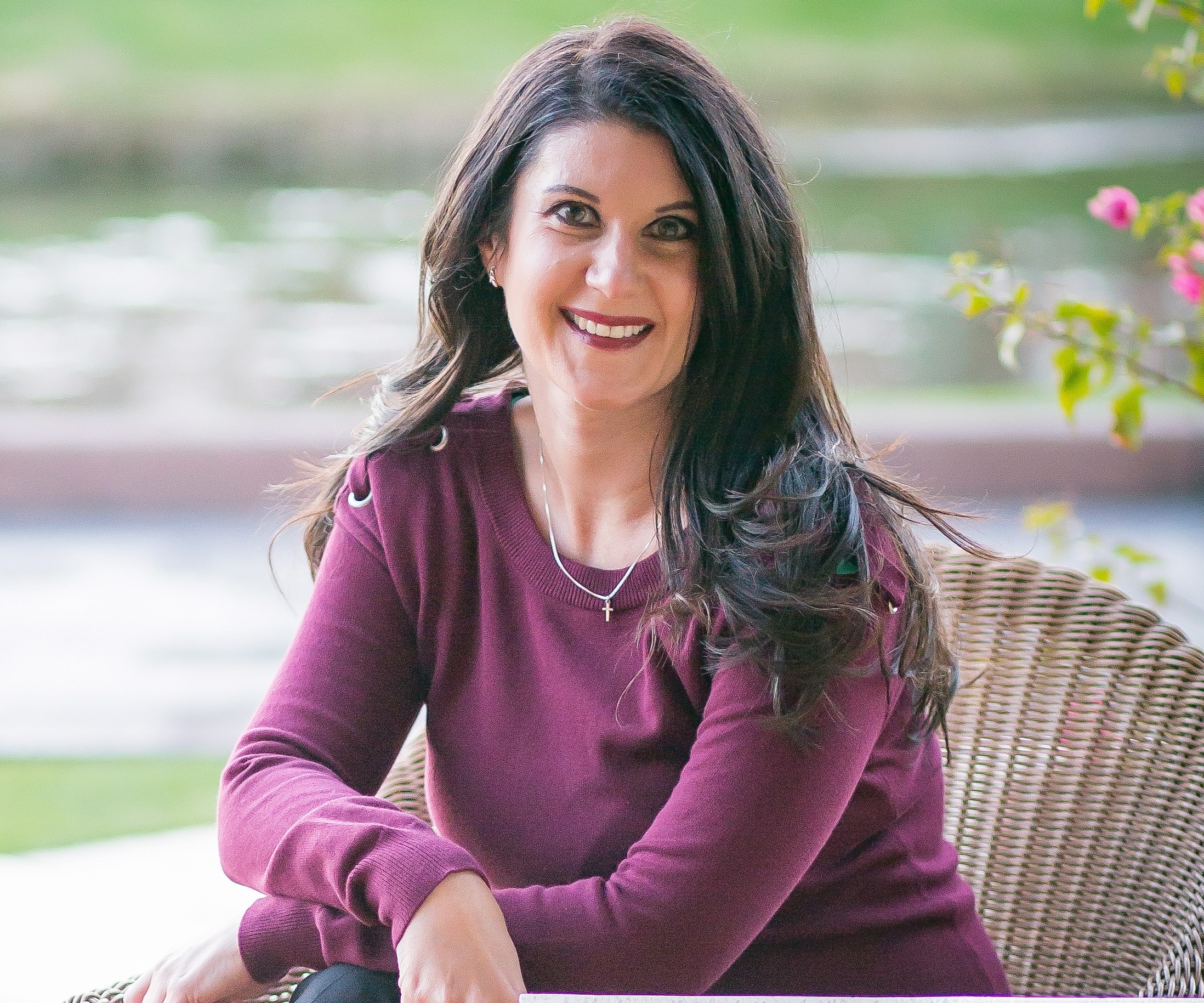
Dr. April Darley is a brain-based neuroscience coach who specializes in high-level brain coaching for professionals and leaders who are feeling overwhelmed, burnt out, or stuck in patterns of stress and self-doubt. Her focus is on helping clients understand and work with the natural functions of their brain to achieve personal growth and professional success.
Become an Insider!
Get practical ideas, useful insights, and new ways to look at the problems taking up space in your head, delivered weekly to your inbox.
Don't worry, your information won't be shared and you can unsubscribe at any time.
