Build Your Emergency Stress Toolkit Before You Need It
Jun 19, 2026
Every first responder, insurance company and doomsday prepper will tell you that the best time to have a plan is before you need it.
But how many of us listen to that when it comes to stress?
In the winter, it's natural to keep an emergency kit in your trunk in case of car trouble. An even smarter plan is to keep a smaller one on the floorboard or backseat where you can reach it if you can't get out of the car.
Your nervous system needs the same setup with backup plans in case stress happens at work or in public.
Even if you have a lot of experience with emotional and nervous system regulation, there may come a time when your go-to tools stop working the way they used to.
If you're new to regulation, then you might not know the best tools to use to stop your stress before it spirals out of control.
Either way, building an emergency stress toolkit that covers every area of your life can help you when you're at home and have privacy, or when anxiety hits in the middle of a grocery store line.
The most important thing to remember when you're building your stress toolkit is this: you actually have to open it and use it when you need it.
Because the prettiest kit in the world does nothing sitting in a drawer.
The Three Things Every Toolkit Needs
The best stress toolkits will have three parts.
First, you need a pattern interrupter that stops the thought cascade before it picks up speed.
Next, you need a distractor that pulls your focus to something other than troubling thoughts.
Finally, you need a soother that tells your body it's physically safe, and that the disaster is happening in your head and not in the room you're standing in.
If you choose your tools wisely, then some do double-duty or all three at once.
Interrupt the Pattern First
Training your brain can be a lot like training a dog. Imagine taking your dog for a walk and it's about to roll in something disgusting. You don't have time to reason with it. You pull the leash and you redirect, fast, because if you wait even a few seconds, you're cleaning up a mess instead of preventing one.
When the thought spiral starts, you interrupt it the same way you'd stop a dog about to do something naughty. Say "NO" out loud if you're alone, or just in your head if you're in public. You can even add clapping as a loud noise to go along with your NO for an extra pattern break.
In another technique, some people tap their forehead and say "eject," like they're popping a tape out of a VCR.
For a real shock to your system, try sour candy because it resets your vagus nerve and provides enough of a jolt to force your attention away from your thoughts.
This may sound uncomfortable, but ice under your armpits will do the same thing, and it works better there than on your wrist because the cold/warmth contrast against the skin is sharper. In a pinch, even the old-school pattern interrupter of snapping a rubber band on your wrist counts.
Pattern interrupters are only the first step and none of them fix anything on their own. They buy you the half second you need to stop the stress cascade before it builds.
After that, you still have to distract and replace to calm your nervous system and bring your brain and body back into balance.
Distract and Replace
The best distractors are something pleasurable and take your thoughts in a different direction than pain, fear, and anxiety.
When you're anxious, your nervous system is already in fight or flight mode, and the goal is to let your logical brain regain control and teach the nervous system that there's no actual danger to run from. You're safe and replacing fear-based or negative thoughts with positive ones, gratitude or fun activities begins to help you create new patterns to stop stress quickly.
One of my personal favorites is reading fiction books because your brain becomes involved in the story and begins to imagine things in the story instead of the disaster scenarios you were running through your head. Reading also has the extra benefits of improving concentration, helping you reduce screen time, and engaging different areas of your brain that use both creativity and language.
Laughing and watching a comedy on TV works for the same reason. If you love music, then put on happy song and dance.
Dancing does double-duty because the physical movement burns through the adrenaline your body already released to prepare you to fight or flee. When you're not really in physical danger the adrenaline has nowhere to go and will keep the body in sympathetic mode unless you move it out.
Doing a quick burst of jumping jacks, running in place, or a quick sprint down the driveway for about 2 minutes will help you rebalance faster.
Exercise is amazing for both the brain and body and does triple duty here. It interrupts the pattern of negative thoughts because it takes real focus, it distracts because it gets you out of your head and into your body, and it soothes because it's dispersing the adrenaline instead of letting it recycle.
Some of the tools listed above like happy songs, and funny shows would also qualify as soothers because pleasure moves you away from pain. Soothers also train the brain and body to accept safety because you don't have the time for pleasure if you're running for your life!
Additional soothers include eating your favorite foods (yes, comfort food is a real thing), wearing something soft like your favorite pajamas, essential oils like vanilla or lavender, and drinking a hot beverage like coffee or tea. These activities help the brain accept safety and create routines that move you out of stress and into relaxation.
A Triple Treat: Tapping Does All Three
Emotional Freedom Technique, or tapping, is another tool that earns its place doing all three jobs at once. You can easily find the points and instructional videos online. However, I do a slightly modified version than what is often taught by other practitioners, and I'll outline it below.
Here's the basic process:
- Start tapping on any of the points (your collarbone is the easiest one if you're in public and want to be discreet).
- Next, say every fear, worst-case scenario, and negative thought in your head out loud. There's a piece of you (your survival brain) that's really worried you don't understand the "dangers" of a situation. Saying your fears out loud gives that part of you a voice. Get all of it out while you keep tapping.
- Then you bring things back around to safety, optimism, and desire by loving, trusting, and accepting yourself. Say the following while tapping: "Even though I (insert fear), I deeply and completely love, honor, and accept myself." For example, "Even though I don't know anyone at this party and I'm nervous no one will talk to me, I deeply and completely, love, honor, and accept myself."
- Finally, keep tapping and add on positive reinforcement statements that continue to build safety, trust, and confidence. For example, "It's going to be okay. I can do new things. I'm a nice person and I trust myself to make friends."
This modified version includes a pattern interrupt, the distraction, and the soothing, all in one. The fear gets a voice, the tapping pulls your focus into your body, and the reassurance at the end gives your nervous system a chance to feel safe.
Build Your Toolkit Before You Need It
If you're new to stress relief tools, then it's normal to feel strange trying them at first, but you can do it!
It's like walking into a gym for the first time feeling overwhelmed by all the equipment. With consistency, you'll eventually feel comfortable using all the machines and weights.
Just like exercise routines, mind-body tools work the same way. Consistency and repetition build the muscle memory on a regular day so it's there for you when stress strikes.
With practice, you can stop the stress cascade quickly before it spirals out of control.
Build a kit with a wide variety of your favorite tools that make sense for your lifestyle and get in the habit of using them regularly.
If you want help building a toolkit while also learning why stressful patterns keep happening, then schedule a complimentary consultation HERE.
We'll talk through what's happening in your world, and how the Rapid Regulation Method, and Three-Brain System, can help you find and stop spirals fast.
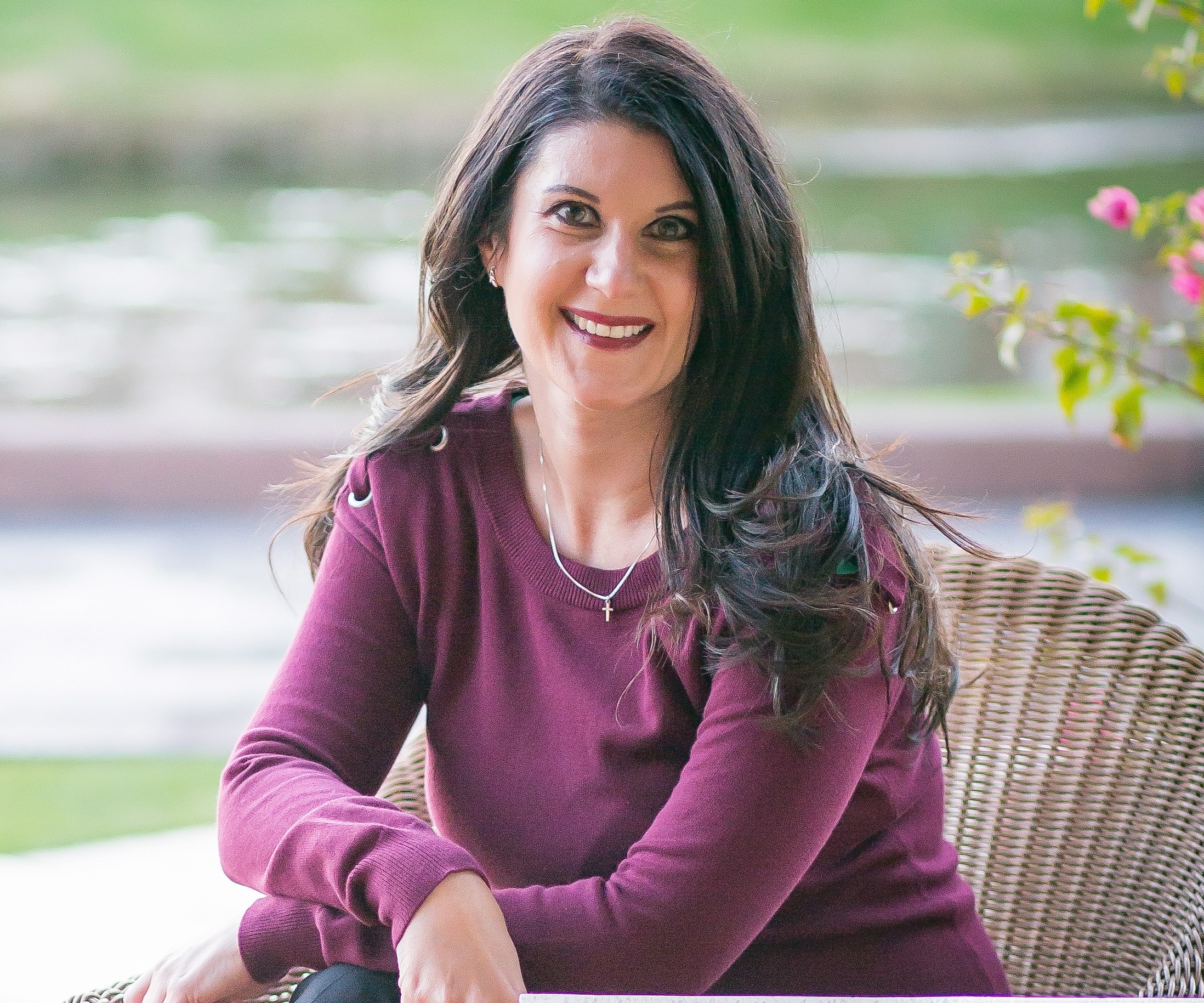
Dr. April Darley is a brain-based neuroscience coach and subconscious strategist who specializes in high-level brain coaching for professionals and leaders She helps high-capacity leaders identify and recalibrate the hidden patterns between the survival, emotional, and logical brain so their decisions and execution become clear, stable, and powerful.
Freedom In Your Inbox!
Join our mailing list to receive weekly tips on how to balance leadership and life.
Don't worry, your information won't be shared and you can unsubscribe at any time.
